
First-Time Homebuyers and Fixer-Uppers: How to See Potential, Not Problems
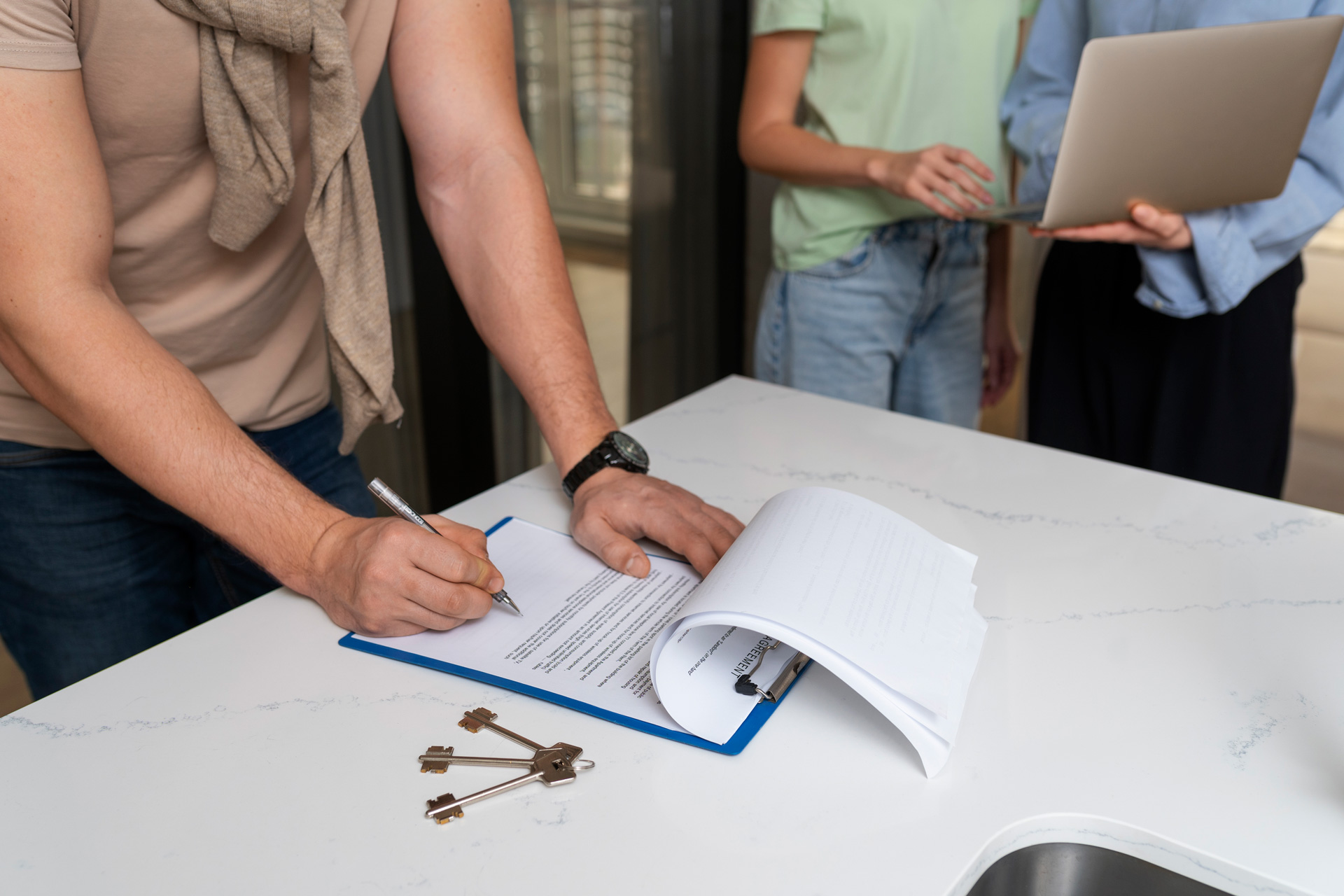
Image via Freepik
First-Time Homebuyers and Fixer-Uppers: How to See Potential, Not Problems
Buying a fixer-upper isn’t just a financial decision — it’s an adventure in patience, creativity, and resource planning. For first-time buyers, these homes can offer the perfect way to build equity and learn the ropes of ownership. But they also come with surprises hidden behind every wall.
Key Takeaways
- Fixer-uppers = opportunity + effort.
- Always budget for 15–20% beyond your renovation estimate.
- Safety upgrades (like electrical) come before cosmetic ones.
- Work with pros for inspections, permits, and code compliance.
- Learn how to phase your improvements — not everything needs to happen on day one.
Fixer-Upper Readiness
| Category | What to Expect | Smart Move for Buyers |
| Structure | Foundation cracks, roof leaks | Hire a licensed structural engineer early |
| Systems | Outdated electrical/plumbing | Prioritize safety repairs before design upgrades |
| Layout | Choppy floor plans | Plan for open flow — but check load-bearing walls |
| Budget | 10–30% overages common | Build contingency fund into your loan |
| Timeline | Delays due to permits or materials | Stay flexible; track milestones weekly |
Essential Step-by-Step Checklist
- Get a specialized home inspection. Look for inspectors with renovation experience.
- Estimate full repair costs. Get multiple bids — use comparison tools like HomeAdvisor and Angi.
- Prioritize essentials. Safety and structure first: roofing, foundation, HVAC, and electrical.
- Secure financing. Consider renovation-friendly options like FHA 203(k) or Fannie Mae HomeStyle loans.
- Plan your project timeline. Break into 3–5 phases to avoid burnout.
- Collect quotes for permits. City and county offices differ — verify at BuildingPermits.com.
- Add your personal touch. After core repairs, make cosmetic updates that reflect your taste and lifestyle.
Tips from Seasoned Buyers
- Don’t underestimate time. Even a “small” reno can balloon.
- Check the neighborhood comps before you invest heavily.
- Use Houzz or Pinterest to visualize upgrades — but stay realistic.
- Ask sellers for repair credits — it’s often easier than reducing the price.
- Keep digital photos of every stage for insurance and resale purposes.
Safety and Electrical Upgrades
Before any paint or flooring, your electrical system deserves immediate attention. Faulty wiring or outdated panels can pose serious risks — and they’re not DIY-friendly. Start by hiring a certified electrician to assess the full system and outline what must be brought up to code. When sourcing parts, reliability matters. Use trusted suppliers for switches, conduit, and panels to ensure long-term safety and compliance — learn more about it here.
FAQs
- Q: How do I know if a fixer-upper is worth it?
A: Compare renovation costs with post-repair appraised value. Aim for a final equity margin of at least 10–15%. - Q: Should I live in the house during renovations?
A: If major systems (like HVAC or plumbing) are down, it’s better to rent nearby. Living in chaos delays everything. - Q: Can I finance renovations through my mortgage?
A: Yes. Renovation loans and FHA 203(k) programs combine purchase + repair costs into one mortgage. - Q: How do I avoid hidden surprises?
A: Pay for specialty inspections (foundation, roof, pests, and mold). Spending $1,000 upfront can save $10,000 later.
Product Spotlight: Mint
If you’re juggling multiple repair quotes, timelines, and invoices, a simple finance tracker can save your sanity. The Mint budgeting app lets you categorize expenses, monitor payments, and forecast future costs — a must-have for new homeowners navigating their first renovation project.
How-To: Phase Your Fixer-Upper Without Overwhelm
- Phase 1: Secure & Clean — change locks, deep-clean, remove debris.
- Phase 2: Make It Safe — address electrical, gas, and plumbing systems.
- Phase 3: Structural Work — repair roof, foundation, and major framing.
- Phase 4: Livability — update bathrooms, kitchen, and flooring.
- Phase 5: Comfort — paint, lighting, fixtures, landscaping.
Glossary
- Equity: The difference between your home’s market value and mortgage balance.
- Contingency Fund: Extra cash (10–20%) set aside for unexpected costs.
- Code Compliance: Ensuring all repairs meet local safety regulations.
- Renovation Loan: A mortgage type covering both purchase and rehab.
- Inspection Report: A detailed breakdown of property conditions.
A fixer-upper isn’t about instant perfection — it’s about progress. Focus on essentials first, stay adaptable, and build your dream home in stages. The satisfaction of creating something beautiful from the bones of potential? Worth every patch of drywall dust.